One of UC Davis’s highest priorities is the safety of its
students and all members of its community. UC Davis
prohibits all forms of sexual harassment and sexual violence,
including sexual assault, dating and domestic violence, and
stalking. Such conduct violates University policy and may
violate California law.
Chris Froh, continuing lecturer, received the 2024 Undergraduate
Teaching Award from the Academic Federation. Froh is known for
teaching courses that include Theory, Rock Music, History of the
Beatles, percussion ensemble and individual percussion students.
Professor Kurt E. Rohde’s composition seeking all that’s
still unsung will receive its world premiere at Brandeis
University performed by the Lydian String Quartet on
April 6.
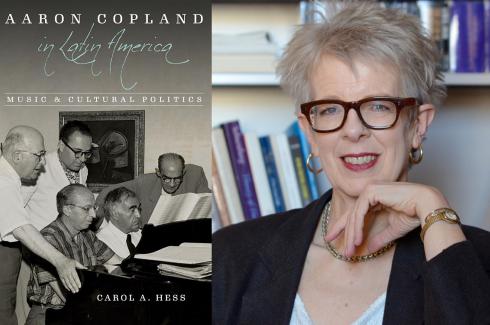
Professor Carol A. Hess has recently received the Lifetime
Achievement Award from the Society for American Music, which
promotes music of the Americas. The presentation was made on
March 23 during the society’s annual conference.
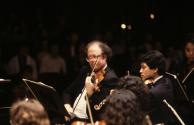
Robert S. Bloch, UC Davis professor emeritus of music, died on
November 4 at age 89. He was a member of the faculty from 1974 to
2000, primarily teaching violin and music theory in addition to
giving concerts. The UC Davis Music Department remains
grateful for the musicianship Bloch shared on stage and in the
classroom. Theodore Karp, a prior faculty member (1963–73) who
went on to teach at Northwestern University, previously described
Bloch as “A quiet man with a ready, genial wit.” He was also
self-admittedly restless, which showed in the breadth of his
endeavors.
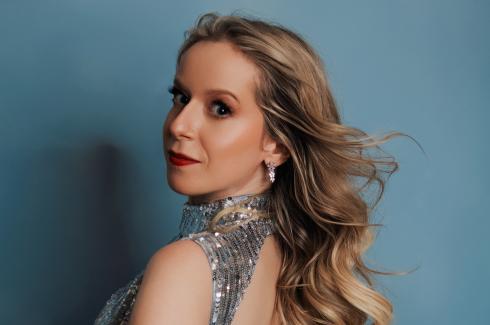
“State of Being” is an autobiographical concert experience
for one vocalist, Emily Thorner, and electronics. It is
comprised almost entirely of commissioned works written
specifically for Emily’s unique voice by a multi-national
lineup of living composers.
Program
Garrett Mendelow: Voices of Consequence
Emily Joy Sullivan: Un/titled
Max Hundelshausen: (this sentence here fills the)
AIR
Otar Taktakishvili: Sonata For Flute and Piano in C Major
Philippe Gaubert: Sur l’eau
Herman Beeftink: Spring for Flute and Piano
Mel Bonis: Suite en trio, op. 59
with Robi Castaneda, violin, and Karen Rosenak, piano
Catherine McMichael: “Ròs Bothan (Rose Cottage)” from A
Gaelic Offering
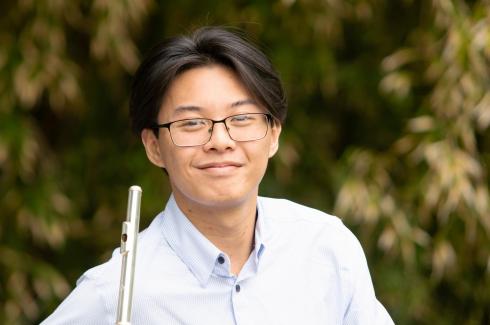
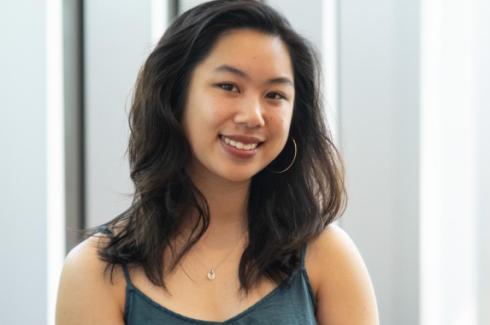
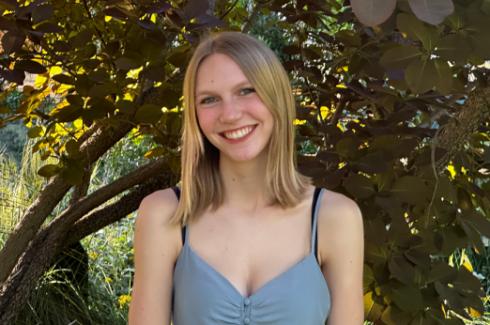
with Estevan Romero, Benjamin Saetern, Maggie Lu, Laura
Zhang and Ellie Chen, flutes